
When people search “therapy near me,” something in life usually is not working the way it once did. Anxiety may feel constant. Emotions may be running higher than the coping skills available to manage them. Or the effort of holding everything together may simply feel exhausting.
Whether someone has never tried therapy before or tried it in the past and found that it did not stick, the next question is usually the same: where do I start, and what kind of support actually fits?
At Sanare, the first step should feel clear. This guide breaks down what “therapy near me” can mean and how to begin figuring out what kind of therapy may help you move forward.
Why People Search for “Therapy Near Me”
People usually search for local therapy when something is not shifting on its own. Common reasons include:
- Persistent anxiety or depression
- Stress from work, relationships, or life transitions
- Difficulty managing emotions or mood swings
- History of trauma or difficult experiences that still surface
- Feeling stuck in patterns that keep repeating
- Wanting more support than apps, podcasts, or self-help tools can offer
You do not have to reach a breaking point before asking for help. Many people begin therapy simply because they want life to feel steadier, clearer, or more manageable.
For some, that support begins with weekly therapy sessions.
What “Therapy Near Me” Can Actually Mean
When you search “therapy near me,” you will likely see several different levels of care. The biggest difference between them is not just the approach a therapist uses. It is the level of support and structure available. Different people need different levels of care depending on what they are navigating.
Structured Group Therapy
For many people, meaningful change begins here. An Intensive Outpatient Program (IOP) provides therapy several days per week in a small group while individuals continue living their normal lives.
The added structure allows people to practice new responses in real time. Instead of only talking about patterns, individuals begin interrupting them. Repetition, accountability, and connection with others facing similar challenges help new skills become easier to access when emotions spike. This level of care is often helpful when weekly therapy alone has not created enough momentum for change.
Daytime Structured Care
A Partial Hospitalization Program (PHP) offers more hours of therapy during the day for a period of time.
Despite the name, it does not involve staying in a hospital. Individuals attend therapy during daytime hours and return home in the evening. This structure can help stabilize emotions, strengthen regulation skills, and create a foundation before transitioning into other levels of care.
Traditional Weekly Therapy
Outpatient therapy typically involves meeting with a licensed therapist once per week.
For some people, this provides enough space to process challenges and build coping strategies. For others, it becomes clear that more structure is needed to shift patterns that keep repeating.
Understanding which level of care fits best is something a therapist can help clarify during an initial consultation.
Virtual Therapy Options
Depending on location and program availability, some therapy services may also be available online. Virtual therapy can provide flexibility while still maintaining connection and structure.
Sanare offers virtual therapy options in several states for individuals who prefer or need remote care.
Choosing the Right Local Support
Searching “therapy near me” may bring up dozens of providers. Proximity matters, but it is not what determines whether therapy will help.
Effective therapy should:
- Match the intensity of what you are going through
- Help you understand patterns that keep repeating
- Teach practical skills you can use when emotions spike
- Provide consistent, steady support
The right environment helps people move forward rather than stay stuck in the same cycles.
Therapy at Sanare
At Sanare, therapy is structured but human. Our therapists build environments grounded in authenticity, creativity, and connection.
Through small groups, experiential work, and skill-based approaches, clients learn how to respond differently when life feels heavy.
Rather than only talking about change, people practice it. Sanare provides outpatient therapy and structured therapeutic programs across Delaware, North Carolina, and Pennsylvania.
Therapy Near You in Delaware, North Carolina, and Pennsylvania
If you are searching for “therapy near me,” finding support close to home can make it easier to stay consistent with care. Sanare offers therapy and structured therapeutic programs in multiple communities across Delaware, North Carolina, and Pennsylvania.
Below are Sanare locations where individuals can access therapy and structured programs.
Delaware
1401 Silverside Road, Suite 3A , Wilmington, DE 19810
5171 W Woodmill Dr, Suite 9, Wilmington, DE 19808
North Carolina
1100 Navaho Dr, Suite 125, Raleigh, NC 27609
5 Silva Terra Dr, Unit 130, WIlmington, NC 28412
Pennsylvania
545 W. Main St, Suite 23, Trappe, PA 19426
178 Park Rd, CHester Springs, PA 19425
4259 W Swamp Rd, #260, Doylestown, PA 18901
5039 Township Line Rd, 3rd Floor, Drexel Hill, PA 19026-4847
835 Springdale Dr, Suite 205, Exton, PA 19341
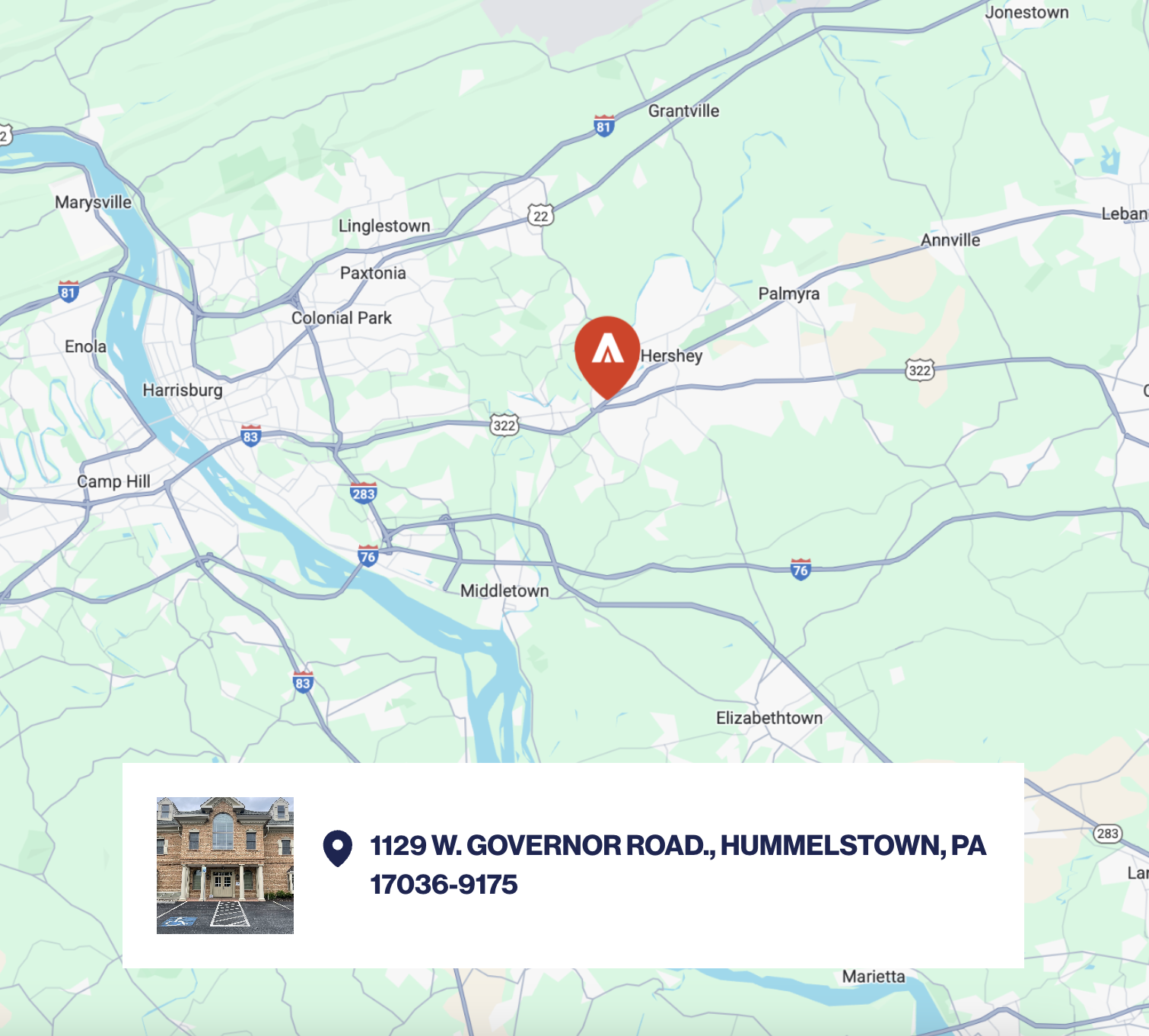
1129 W. Governor Rd, Hummelstown, PA 17036-9175
2009 Renaissance Blvd, Building 300, King of Prussia, PA 19406
180 W Airport Rd, Lititz, PA 17543
1140 Welsh Rd, Suite 120, NOrth Wales, PA 19454
1500 Walnut St, #1200, Philadelphia, PA 19102
14C Commerce Drive Wyomissing, Berks County, PA 19620
385 Oxford Valley Rd, Suite 412, Yardley, PA 19067
Taking the First Step
Therapy works best when it supports you and challenges you at the same time. The goal is not simply to talk about what is difficult, but to learn how to respond differently when stress, trauma, or intense emotions show up.
If you have been searching for “therapy near me,” you do not have to keep navigating things on your own.
A conversation with a therapist can help clarify what level of support may help you move forward.
More Insights

IOP in Bucks County, PA: Trauma & DBT Programs in Doylestown and Yardley
March 18, 2026

What Is Trauma Bonding? Signs, Causes, and How to Break the Pattern
March 3, 2026

Finding “Therapy Near Me”: A Practical Guide to Mental Health Support
February 13, 2026

Ways to Spend the Holidays Alone in PA, DE, & NC

Spending The Holidays Alone vs. With Family
December 23, 2025
.jpg)
The Holiday Survival Guide: Therapist Tips for When Family Gets Stressful - Pennsylvania, Delaware, & North Carolina Edition
December 11, 2025

How to Deal with Anxiety at Work | Sanare - Your Pennsylvania, Delaware & North Carolina Therapist
November 5, 2025

Why Do I Get So Angry Over Little Things?
August 18, 2025

10 Celebrities Who Make Mental Health Conversations Feel Normal (Because They Are)
July 30, 2025

“Who let me be an adult?” Overcoming Imposter Syndrome
July 1, 2025

Overstimulation 101: Why everything feels too loud (and what to do about it)
May 29, 2025

Worried you’re a bad parent if your teens struggling with their mental health? This will free you from that guilt
March 17, 2025

The parent's guide to finding a therapist who actually gets your teen
March 31, 2025

Podcast episode: What your teen's NOT saying (but desperately needs you to hear)
February 20, 2025

Why your teen's always stressed,—and what you can do about it
February 6, 2025

Teen mental health help: what to do when your kid's not okay (and won't say it out loud)
January 21, 2025

Which type of therapy do you actually need? (A no-BS guide)
January 14, 2025

Holiday depression: when "merry & bright" feels like a lie
December 11, 2024

What’s the best therapy for depression? Here's what'll move the needle
November 1, 2024

How often should you go to therapy? (Spoiler: it's not just once a week)
September 27, 2024

What’s the best kind of therapy for childhood trauma?
September 11, 2024

7 subtle signs your teen's not okay (that are easy to miss)
February 4, 2025